Image forensics
Tell a generated image from a real one, and name the model that made it.
What is AI image detection?
AI image detection decides whether an image was generated by a model, had a face swapped in, or was edited after the fact. Raid AI scores all three, names the generator family where the signature allows, and marks where an image was changed with a heatmap, so a reviewer sees the evidence and not only a number.
Image generation crossed the point where a careful look is enough to settle the question. A forged identity document, a fabricated screenshot or a synthetic profile photo now costs nothing to make and arrives in volume, which means the check has to be mechanical rather than a judgement call.
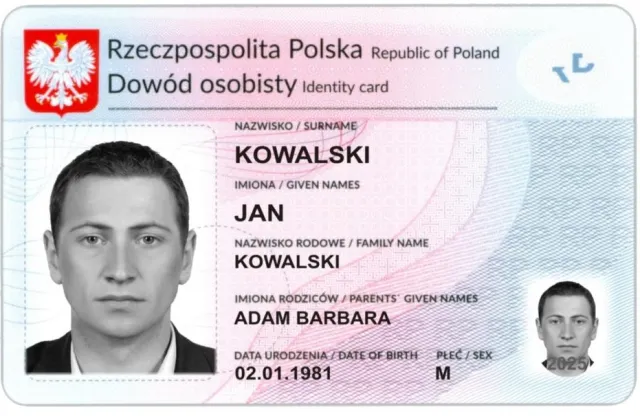
Raid AI scores an image for generation, face swapping and localised editing, and where it can, attributes the result to the family of model that produced it. Attribution matters in an investigation: knowing something was generated is one finding, knowing what generated it is a lead.
Several engines can score the same image and vote, with the disagreement between them preserved rather than averaged away. A reviewer needs to know when the detectors were split, because that is exactly the case worth a human look.







The attacks this answers
- Wholly AI generated images
- Face swaps onto a real photograph
- Localised editing, with the altered region highlighted
- Reused or repurposed images from elsewhere on the web
From submission to verdict
Submit
Upload, paste a link, send it over WhatsApp, or call the API.
Score
One engine, or several voting, depending on how the tenant is configured.
Localise
A heatmap marks where the image was manipulated, not just whether it was.
Attribute
Where the signature allows, the generator family is named.
At a glance
- Verdicts
- AI generated, real, AI edited, digitally edited
- Engines
- In house plus commercial, single or ensemble
- Volume
- Real time, or a deferred batch tier
- Evidence
- Manipulation heatmap and generator attribution
Questions about Image forensics
Can it tell which model made an image?
Often. Where the statistical signature allows, the verdict names the family of generator that produced the image. Attribution matters in an investigation: knowing something was made with a particular tool narrows who could have made it.
What if the image is only partly edited?
Localised editing is scored separately, and the altered region is highlighted on a heatmap rather than the whole image being called fake. That is the case reviewers most need help with.
Why run more than one engine?
Several engines can score the same image and vote. Their disagreement is preserved rather than averaged away, because a split verdict is exactly the case worth a second look.
Can it handle volume?
Yes. A deferred batch tier takes large sets, such as an onboarding backlog, and processes them off the interactive path with the same verdicts.