Deepfake detection for insurance
Catch cloned policyholder voices on financial and life policies, forged medical records on health claims, and AI generated damage photos on car claims. Raid AI checks voice, images and documents before a claim is paid.
3
Lines of cover checked: financial, medical and car
3
Lines of cover checked: financial, medical and car
99.7%
Audio detection accuracy
<50ms
Audio detection latency
4
Image verdicts, from AI generated to digitally edited
120+
Languages
Every insurance claim is a bundle of evidence: a call from the policyholder, photographs of the damage, a stack of reports and invoices. Each piece is now cheap to fake. A cloned voice can surrender a policy or redirect a payout, a generated invoice can bill for treatment that never happened, and an edited photo can turn a scratch into a write off. Raid AI checks the voice, the images and the documents before the claim is paid, across financial, medical and car insurance.
3 attacks being run against insurance today
These are not projections. Each one has already been used against organisations in this position.
| Attack | Method | Modality | Who it lands on |
|---|---|---|---|
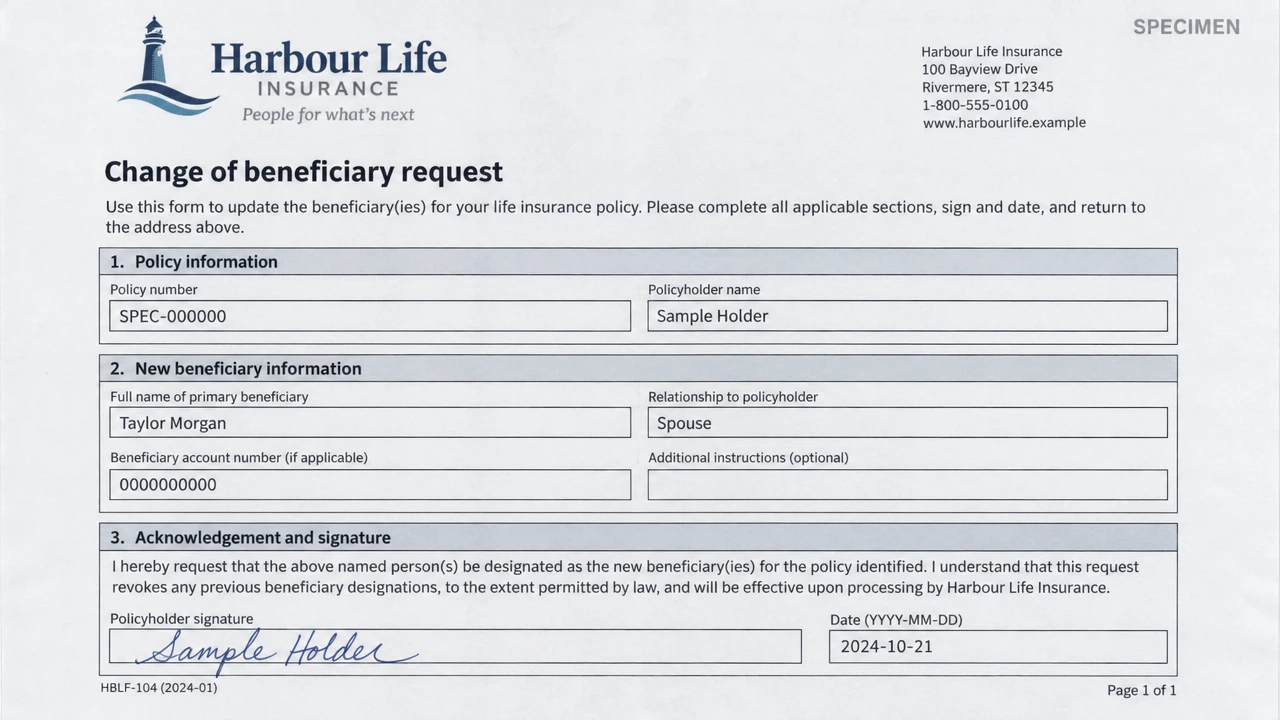
| 1Financial and life insurance: the policyholder who is not there | A cloned voice calls to change a beneficiary, surrender a savings policy or send a payout to a new account, backed by an edited bank statement or a forged death certificate. The money leaves before the real policyholder or family finds out. |
| Who it lands on: Policy servicing teams |
| 2Medical insurance: treatment that never happened | Medical reports, prescriptions, hospital invoices and even scan images are generated or edited to inflate a claim or invent one. At claims volume, a clean looking PDF gets paid. |
| Who it lands on: Health claims handlers |
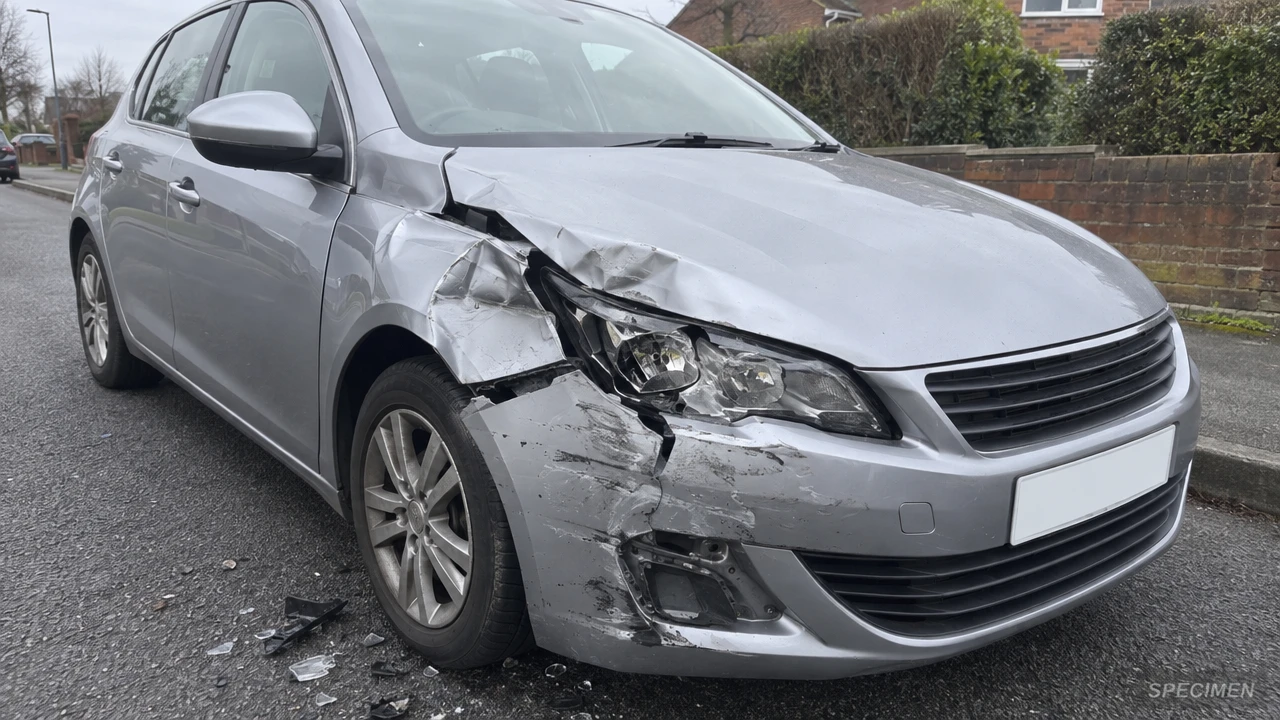
| 3Car insurance: damage that was never done | An image generator adds dents, broken glass and flood lines to a photo of an undamaged car, or an old accident photo is edited to fit a new claim. Repair estimates and police reports are altered to match. |
| Who it lands on: Motor claims assessors |
How Raid AI answers it
Financial insurance: voice checks on policy changes
Calls asking to change a beneficiary, surrender a policy or redirect a payout are checked for a cloned voice while the caller is still on the line, so the change is held before any money moves.
Medical insurance: document forensics on claims
Medical reports, prescriptions and hospital invoices are checked for edited fields, pasted text and generated pages, with the altered region marked for the claims handler.
Car insurance: image forensics on damage photos
Every damage photo is checked for AI generation and digital editing before an assessor is sent or a repair is approved, with a heatmap of the regions that were changed.
- One platform for all three lines, so the same claim can have its call, its photos and its documents checked together
- Image forensics that says whether a photo is AI generated or digitally edited, and shows where
- Document forensics on PDFs, uploaded or sent by webhook, with the altered region localised
- Policyholders and assessors can forward a voice note or a photo to the WhatsApp bot and get a verdict in under a minute
- Verdicts with a confidence score that a claims handler and a fraud team can both read
What this looks like on a normal day
Composite situations drawn from the pattern of reported attacks, not accounts of named customers.
Illustrative scenario
The payout that changed accounts
A caller who sounds like a life policyholder asks to send a maturity payout to a new bank account and emails a statement to match. Raid AI flags the voice as cloned and the statement as edited, and the change is held until the policyholder is reached on a number already on file.
Illustrative scenario
The hospital invoice that was never issued
A health claim arrives with a discharge report and an invoice for a week in hospital. Document forensics finds the dates and the totals were edited on top of a real report, and the claim goes to the fraud team instead of payment.
Illustrative scenario
The write off that was a scratch
A car claim comes in with photos of a crushed front end. Image forensics marks the damage as AI generated on a photo of an intact car, and the claim is sent for a physical inspection before any repair is approved.
Built for environments where security is not negotiable
From air gapped networks to strict data residency rules.
Retention you control
You choose how long media is kept. With zero retention, media is analysed and discarded once the verdict is returned and nothing is written to Raid AI storage. Otherwise media is kept for a window you set, 30 days by default, and then deleted. None of it is used to train a model, and enterprise tenants can keep their records inside their own database or infrastructure instead. Media goes only to the detection engines your tenant is configured to use, and only to produce the verdict.
Runs in your infrastructure
For air gapped and sovereign environments, the full detection stack runs inside your own network with no external connectivity.
TLS 1.3 encryption
All communication with the cloud API is encrypted using TLS 1.3. Media is protected from the moment it leaves your network.
Scoped API keys
Every integration is gated by a scoped key with configurable rate limits and IP allowlisting. Keys can be rotated at any time.
SOC 2 principles
Built around the five SOC 2 trust service criteria: security, availability, processing integrity, confidentiality and privacy.
Regional deployment
Cloud customers choose the region where their requests are processed. Media never leaves a specified jurisdiction.
Defence in depth
Infrastructure, application and model layers are each protected independently. A compromise at one layer does not expose customer data.
Audit logging
Every API call is written to a tamper evident audit trail, so you can reconstruct exactly what was processed, when, and by which key.