Deepfake detection for marketplaces
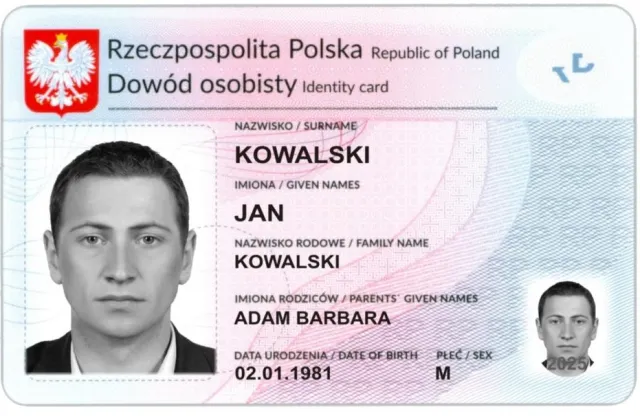
Stop generated seller identities, AI generated listing photos, edited refund evidence and forged payout documents. Raid AI checks the images, documents, video and voice notes a marketplace runs on.
4
Image verdicts, from AI generated to digitally edited
4
Image verdicts, from AI generated to digitally edited
99.7%
Audio detection accuracy
120+
Languages
A marketplace is trust between strangers, carried by photographs, documents and short messages. Every one of them is now cheap to fake. A seller can onboard behind a generated face, list goods that exist only as AI images, and a buyer can claim a refund with damage drawn onto an intact item. Raid AI checks the media at the points where a marketplace decides to trust it: onboarding, listing, dispute and payout.
5 attacks being run against marketplaces today
These are not projections. Each one has already been used against organisations in this position.
| Attack | Method | Modality | Who it lands on |
|---|---|---|---|
| 1Synthetic seller onboarding | Generated faces on identity documents and face swapped selfie video open seller accounts in someone else's name, or open hundreds of them at once. |
| Who it lands on: Trust and safety teams |
| 2Listings that do not exist | AI generated photos of cars, apartments and goods the seller never owned, written up well enough to take a deposit before anyone sees the item. |
| Who it lands on: Buyers |
| 3Edited refund and dispute evidence | Damage generated or edited onto a photo of an intact item, or a delivery photo altered, to win a refund or a chargeback the seller then pays for. |
| Who it lands on: Sellers, dispute teams |
| 4Forged invoices and payout documents | Proof of purchase, certificates of authenticity and bank statements edited to pass a payout check or a high value listing review. |
| Who it lands on: Payouts and risk teams |
| 5Support impersonation off the platform | A cloned voice note from the marketplace's support team or a known seller moves the conversation to WhatsApp and the payment off the platform. |
| Who it lands on: Buyers and sellers |
How Raid AI answers it
Listing image forensics
Score listing photos as they are uploaded, or the whole catalogue in batch, and hold the ones that are AI generated or edited for review.
Seller onboarding checks
Check the selfie video and identity document a new seller submits for face swaps, injected video and generated portraits before the account can list anything.

Refund and dispute evidence
Check the damage photos attached to a refund or chargeback for generation and editing, with the changed region marked, before the dispute is decided.

Payout document forensics
Bank statements, invoices and certificates are checked for edited fields and generated pages before money is released.
Voice notes checked on WhatsApp
Buyers, sellers and support agents forward a suspicious voice note to the Raid AI WhatsApp number and get a verdict back in the same chat.







- One API for images, documents, video and audio, called from your own upload, onboarding and dispute flows
- A deferred batch tier for scanning a whole catalogue of listing images without holding up live traffic
- A heatmap that marks where an image was changed, so a reviewer sees the edit and not just a score
- Zero retention available, so buyer and seller media is analysed and discarded
What this looks like on a normal day
Composite situations drawn from the pattern of reported attacks, not accounts of named customers.
Illustrative scenario
The car that was never for sale
A new seller lists a nearly new car well under market price
The listing photos are scored as they upload
Raid AI marks them AI generatedFlagged
The listing is held before any buyer sends a deposit
Illustrative scenario
The refund for a broken screen
A buyer opens a dispute with photos of a cracked screen
The photos are checked before the refund rule runs
Raid AI finds the crack was edited onFlagged
The dispute goes to a reviewer, not an automatic refund
Built for environments where security is not negotiable
From air gapped networks to strict data residency rules.
Retention you control
You choose how long media is kept. With zero retention, media is analysed and discarded once the verdict is returned and nothing is written to Raid AI storage. Otherwise media is kept for a window you set, 30 days by default, and then deleted. None of it is used to train a model, and enterprise tenants can keep their records inside their own database or infrastructure instead. Media goes only to the detection engines your tenant is configured to use, and only to produce the verdict.
Runs in your infrastructure
For air gapped and sovereign environments, the full detection stack runs inside your own network with no external connectivity.
TLS 1.3 encryption
All communication with the cloud API is encrypted using TLS 1.3. Media is protected from the moment it leaves your network.
Scoped API keys
Every integration is gated by a scoped key with configurable rate limits and IP allowlisting. Keys can be rotated at any time.
SOC 2 principles
Built around the five SOC 2 trust service criteria: security, availability, processing integrity, confidentiality and privacy.
Regional deployment
Cloud customers choose the region where their requests are processed. Media never leaves a specified jurisdiction.
Defence in depth
Infrastructure, application and model layers are each protected independently. A compromise at one layer does not expose customer data.
Audit logging
Every API call is written to a tamper evident audit trail, so you can reconstruct exactly what was processed, when, and by which key.