Deepfake detection for media and entertainment
Verify submitted footage before it airs, catch cloned talent voices and deepfaked endorsements, and check edited stills. Raid AI gives newsrooms, studios and labels a verdict on audio, image and video.


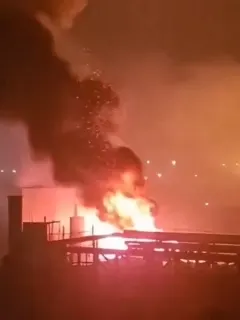

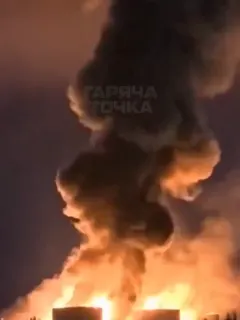
@raidxai
Tag us under any post on X for a verdict
@raidxai
Tag us under any post on X for a verdict
3
Modalities: audio, image, video
99.7%
Audio detection accuracy
120+
Languages
Media runs on footage nobody on staff recorded. A clip from a protest, a voice note from a source, a photo from a wire: each has to be trusted before it airs, and each can now be generated in minutes. The same tools put an artist's voice on a song they never sang and a presenter's face on an investment scam. Raid AI gives editors, rights teams and fact checkers a verdict on audio, image and video before their name is attached to it.
5 attacks being run against media and entertainment today
These are not projections. Each one has already been used against organisations in this position.
| Attack | Method | Modality | Who it lands on |
|---|---|---|---|
| 1Fabricated footage in the news cycle | Generated or edited video of real events and public figures arrives as user submitted footage while a story is breaking, when there is least time to check it. |
| Who it lands on: Newsrooms, fact checkers |
| 2Cloned talent voices | An actor's or artist's voice is cloned for unlicensed songs, adverts and voiceovers, and released under their name. |
| Who it lands on: Talent, labels, studios |
| 3Deepfaked endorsements | A presenter's face and voice are used to sell investment scams and fake products, and the audience blames the broadcaster. |
| Who it lands on: Audiences, broadcasters |
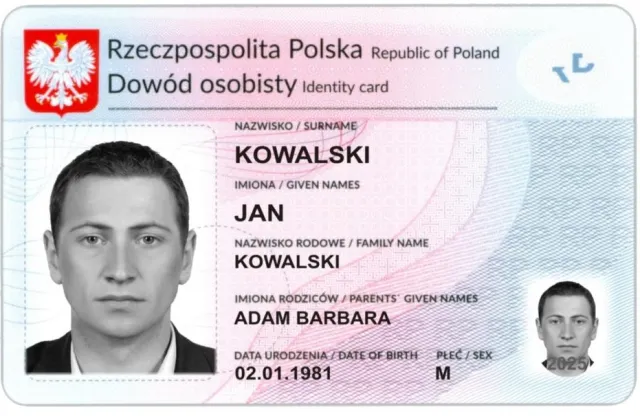
| 4Edited stills on the photo desk | Photographs are edited or generated whole and submitted through agencies and social feeds, where a picture desk has seconds to decide. |
| Who it lands on: Photo desks |
| 5Impersonated executives in deals | Rights, distribution and sponsorship deals are agreed on calls, and a cloned voice or a face swap on a video call can redirect them. |
| Who it lands on: Studio and label executives |
How Raid AI answers it
Verification before broadcast
Upload a clip or paste a link and get a verdict on whether the footage is generated or manipulated before it goes to air or into a story.
A report the editor can read
Every verdict comes with a confidence score and a report a producer, a lawyer and a standards editor can all read and keep on file.
The photo desk
Agency and social images are checked for generation and editing, with the changed region marked, before they are published.
Voice clone checks on talent audio
Check a song, an advert or a voice note attributed to your talent for a cloned voice before a takedown or a rights claim.
- Checks on X, in public
- Anyone on X can tag @raidxai under a post and get a verdict on its image or video in reply
- Video forensics that splits a clip into frames, scores each and reconciles them into one verdict
- Image verdicts that tell AI generated apart from AI edited and digitally edited, with a heatmap
- Voice clone detection on submitted audio, songs and voice notes
What this looks like on a normal day
Composite situations drawn from the pattern of reported attacks, not accounts of named customers.
Illustrative scenario
The clip that arrived during a breaking story
A viewer sends video of a public figure during a breaking story
The producer submits the clip to Raid AI
Raid AI flags the face as swappedFlagged
The clip is held and the story runs without it
Illustrative scenario
The single the artist never recorded
A track credited to the label's artist appears online
The rights team uploads the audio
Raid AI returns a cloned voice verdictFlagged
The takedown is filed with the report attached
Built for environments where security is not negotiable
From air gapped networks to strict data residency rules.
Retention you control
You choose how long media is kept. With zero retention, media is analysed and discarded once the verdict is returned and nothing is written to Raid AI storage. Otherwise media is kept for a window you set, 30 days by default, and then deleted. None of it is used to train a model, and enterprise tenants can keep their records inside their own database or infrastructure instead. Media goes only to the detection engines your tenant is configured to use, and only to produce the verdict.
Runs in your infrastructure
For air gapped and sovereign environments, the full detection stack runs inside your own network with no external connectivity.
TLS 1.3 encryption
All communication with the cloud API is encrypted using TLS 1.3. Media is protected from the moment it leaves your network.
Scoped API keys
Every integration is gated by a scoped key with configurable rate limits and IP allowlisting. Keys can be rotated at any time.
SOC 2 principles
Built around the five SOC 2 trust service criteria: security, availability, processing integrity, confidentiality and privacy.
Regional deployment
Cloud customers choose the region where their requests are processed. Media never leaves a specified jurisdiction.
Defence in depth
Infrastructure, application and model layers are each protected independently. A compromise at one layer does not expose customer data.
Audit logging
Every API call is written to a tamper evident audit trail, so you can reconstruct exactly what was processed, when, and by which key.